
Crawlspaces That Stop Moisture at the Source
Crawlspace cleanup and encapsulation in Missoula for homes where old or missing vapor barriers have allowed framing, insulation, and subfloor materials to take on moisture over time
Many of Missoula's single-family homes were built across several decades when crawlspace vapor barriers were either installed minimally, left out entirely, or replaced with thin poly sheeting that has since torn, shifted, or degraded. Fire and Flood Restoration Company performs crawlspace cleanup and encapsulation for homeowners who are dealing with the visible and structural consequences of those original decisions—damaged framing, deteriorating insulation, persistent musty odors moving up into the living space, and subfloor materials that have absorbed far more moisture than they were designed to handle. The crawlspace is often the last place a homeowner looks, but the conditions found there directly affect the air quality and structural integrity of everything above it.
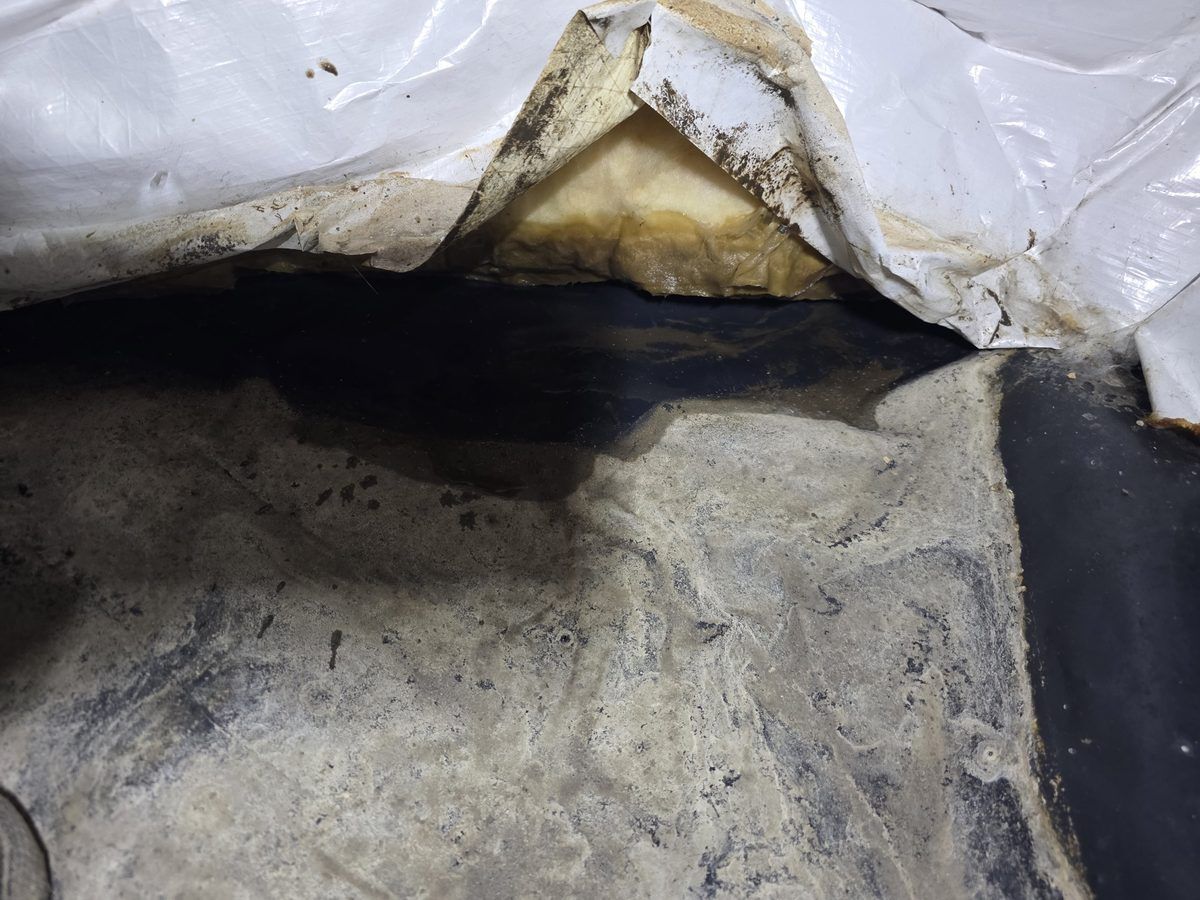
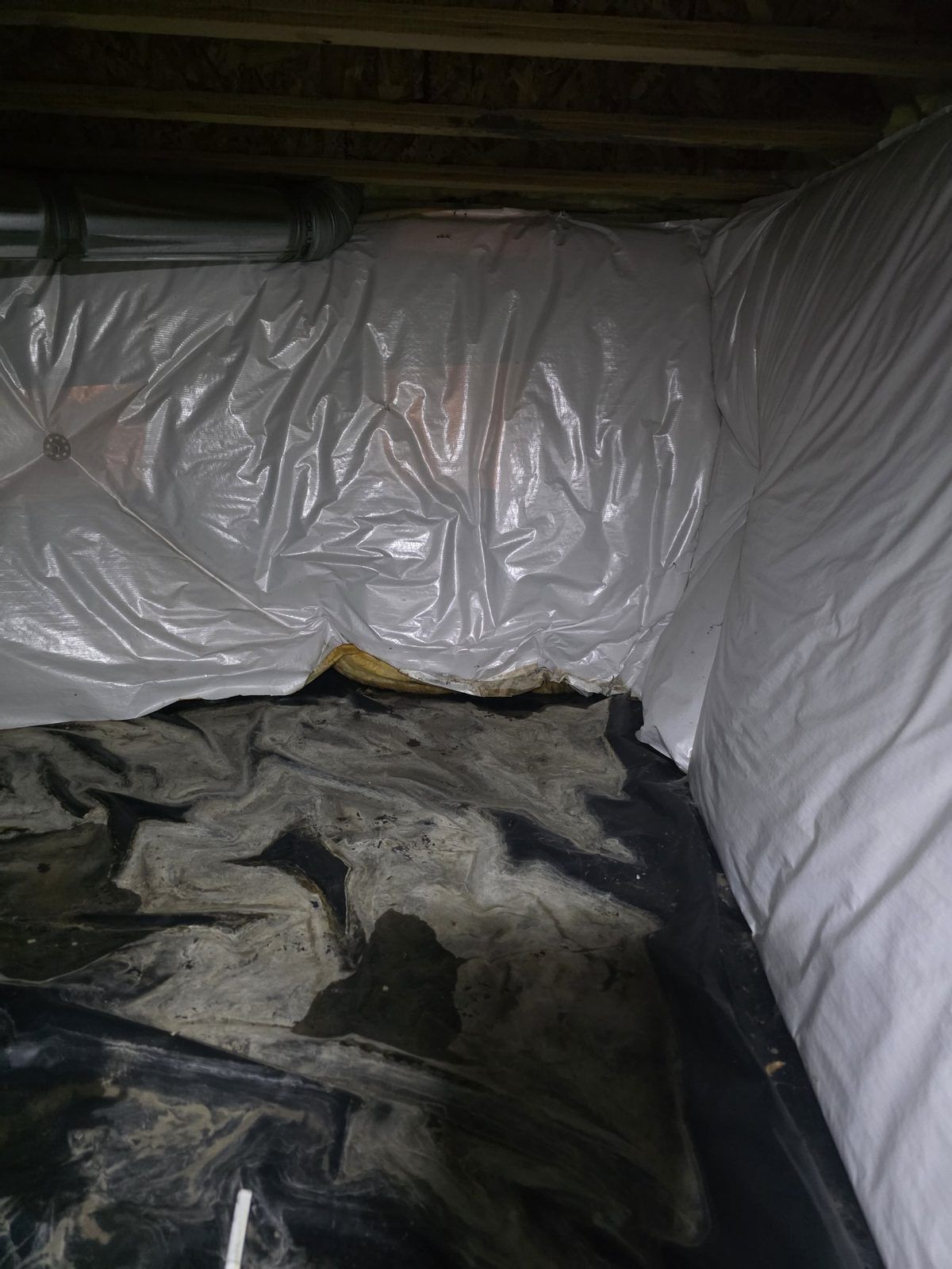
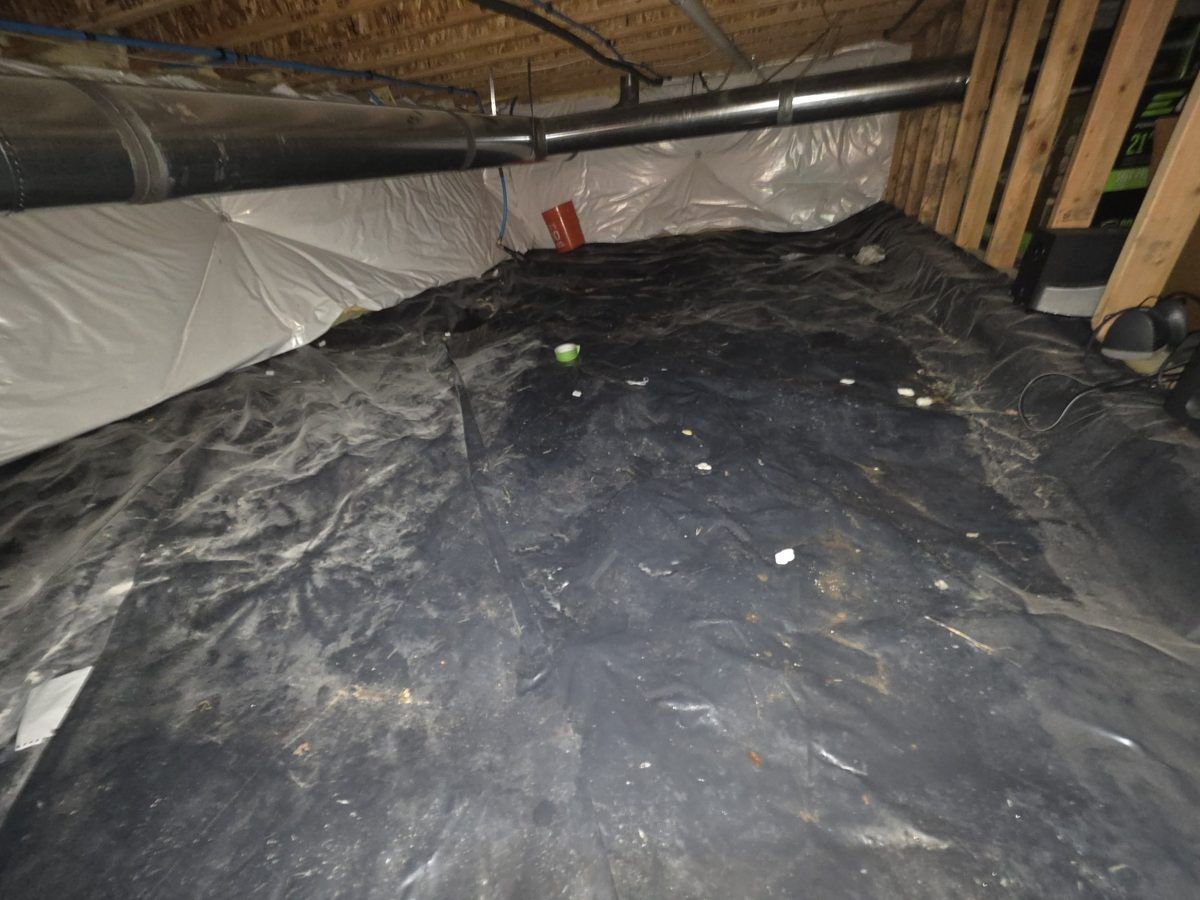
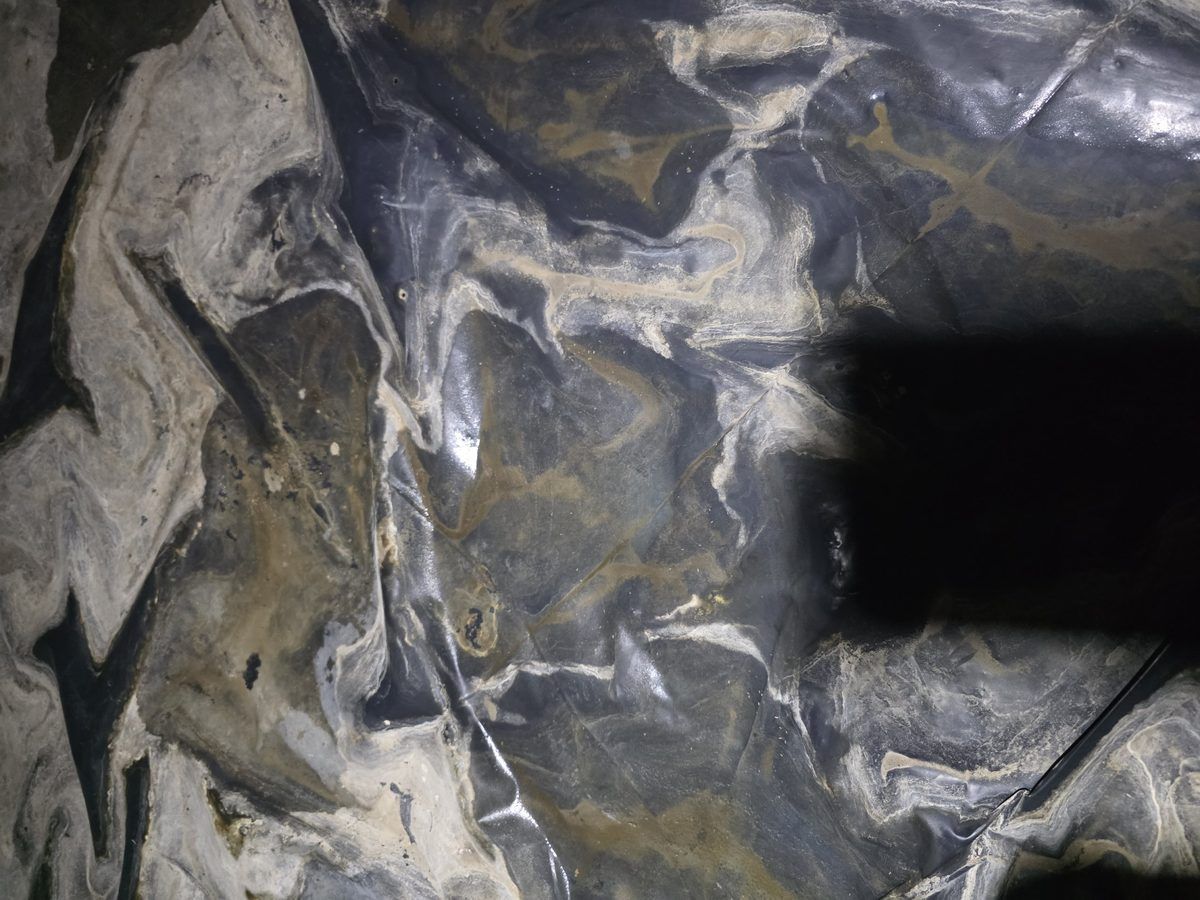
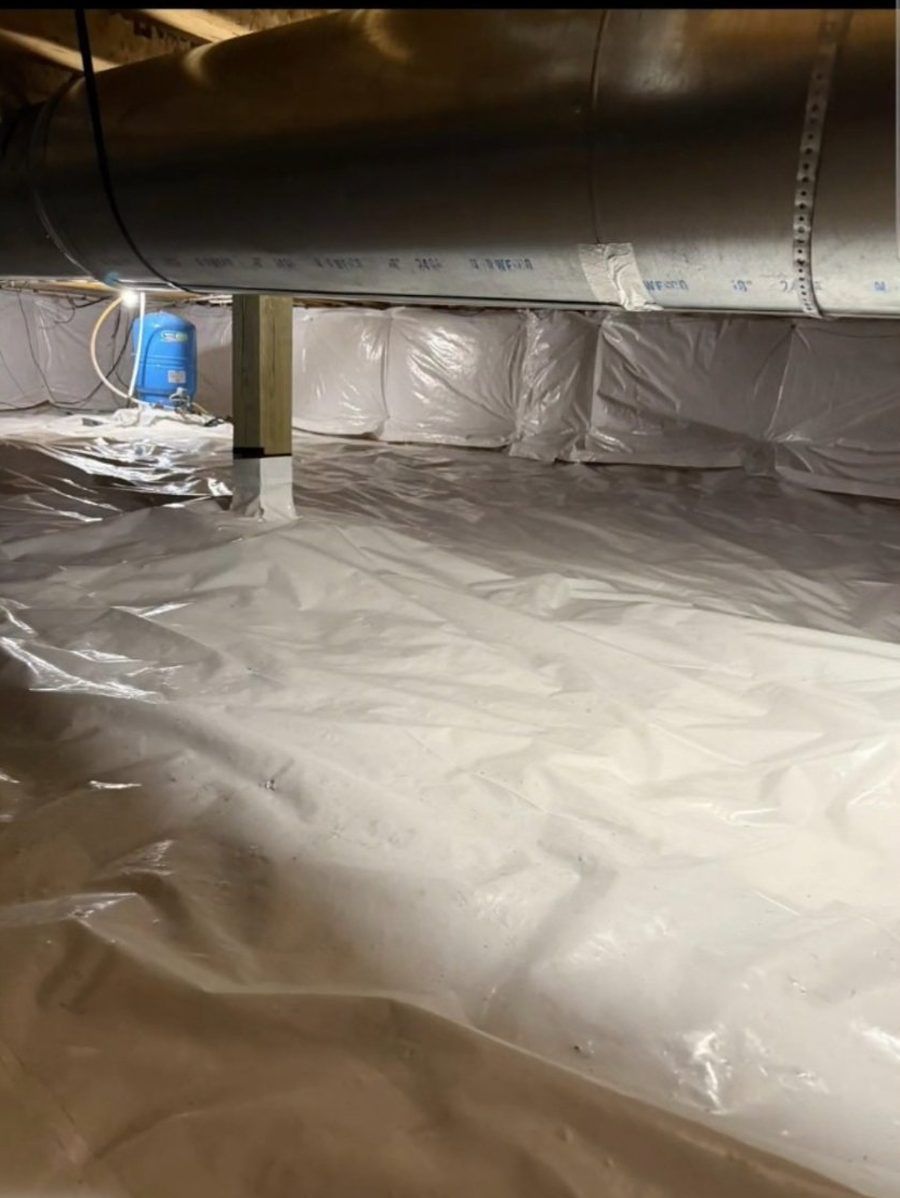
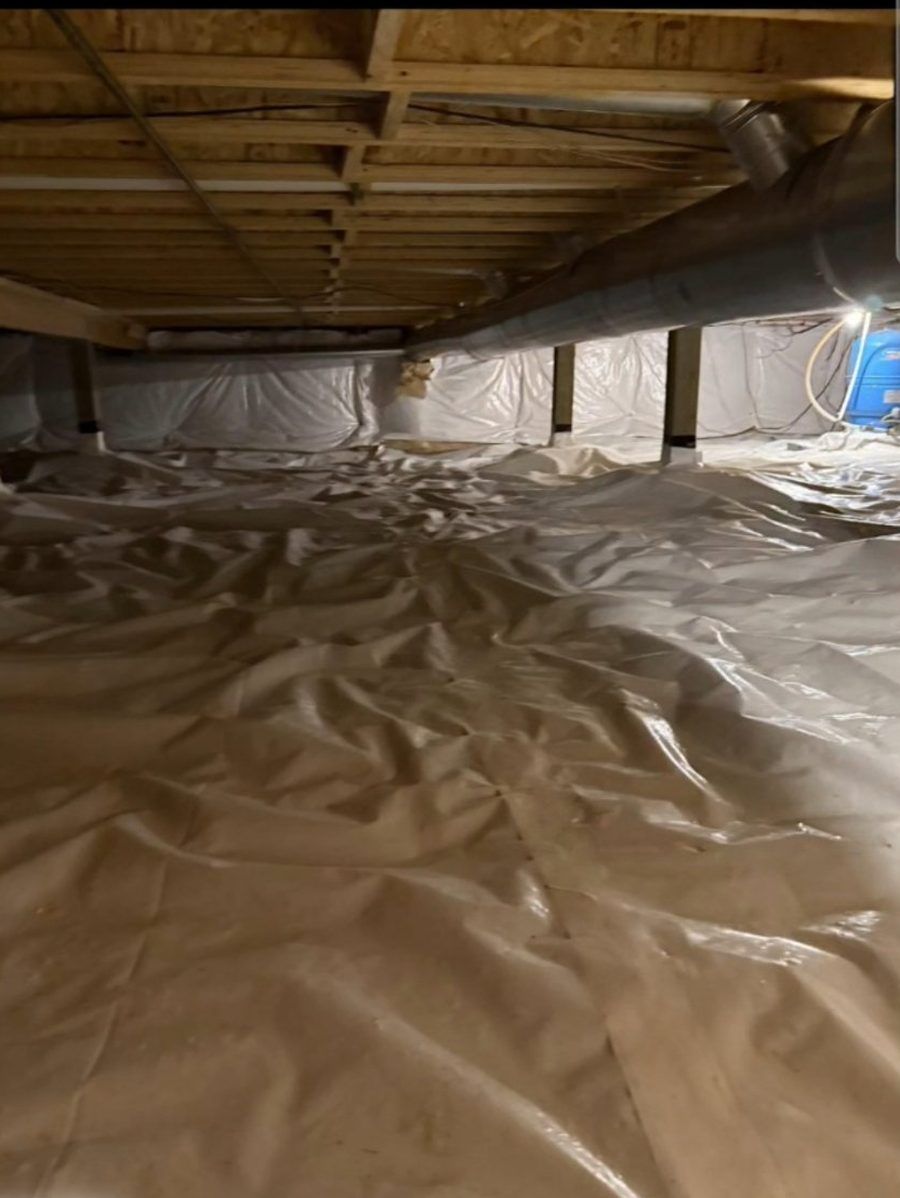
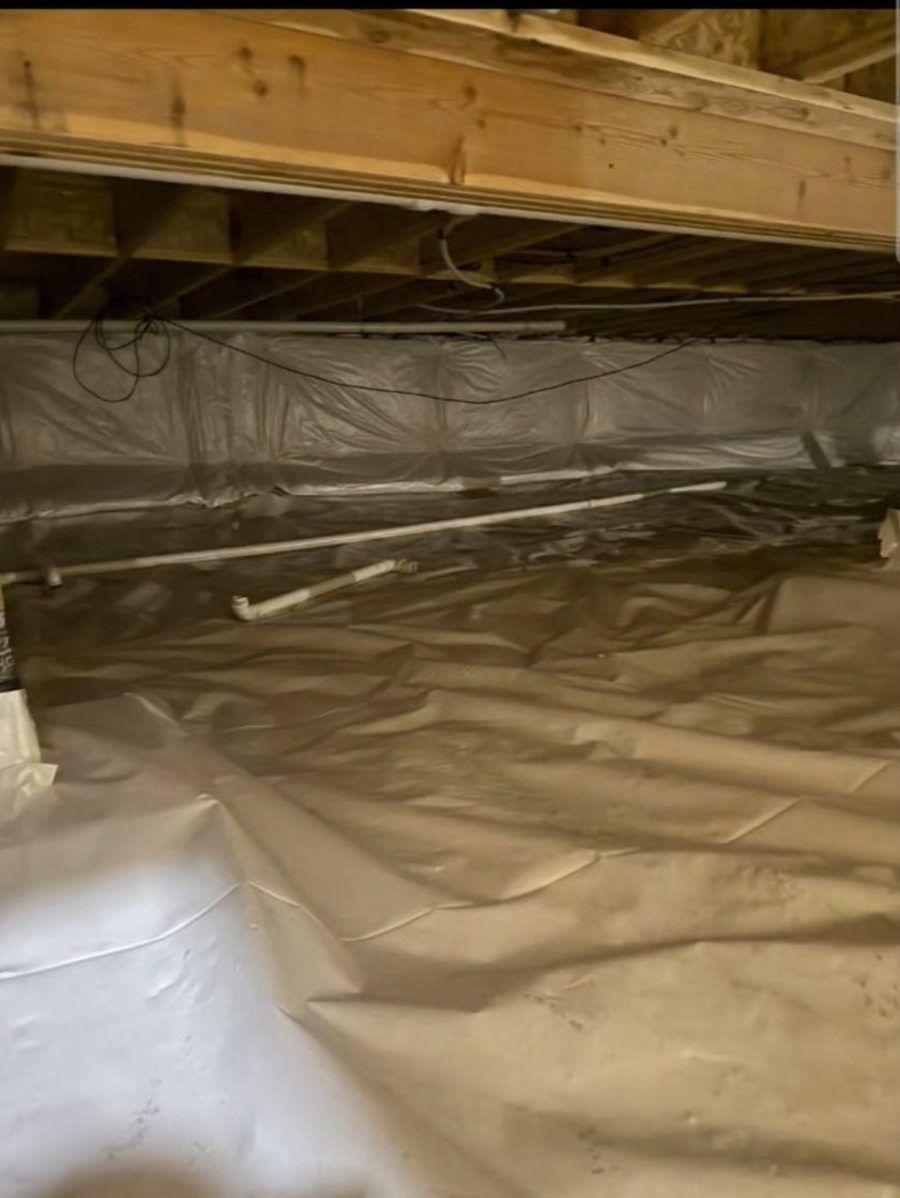
The process begins with a thorough inspection and moisture readings taken at multiple points across the crawlspace floor, walls, and wood framing members. Those readings establish a baseline and identify which areas have already sustained damage versus which are at elevated risk. Any old liner material, debris, standing insulation, or contaminated material is removed before the space is cleaned and the exposed framing is treated to address biological growth on the wood surface. A new sealed vapor barrier is then installed across the floor and up the interior walls, with seams properly overlapped and edges secured so the barrier functions as an integrated system rather than a collection of loose sheets.
Schedule an on-site inspection with Fire and Flood Restoration Company to get accurate moisture readings and a clear picture of what the crawlspace currently holds.
How Encapsulation Addresses the Problem Structurally
The distinction between a basic vapor barrier and a full encapsulation system comes down to how the liner is installed and what it covers. A loose poly sheet placed only on the dirt floor does reduce some ground-source moisture transfer, but gaps at the walls, tears at seams, and unsealed penetrations allow vapor to continue moving into the framing cavity from multiple directions. Encapsulation closes those pathways by extending the barrier up the foundation walls and sealing the material at transitions, which means the crawlspace environment is no longer directly connected to outside air movement through the perimeter.
Once the encapsulation is complete and the space has been allowed to stabilize, the most immediate change most homeowners notice is the disappearance of the musty odor that was previously detectable on the first floor—particularly in rooms directly above the crawlspace. Wood framing that read high on the moisture meter during inspection will register lower over time as the sealed environment allows accumulated moisture to dissipate without being continuously replenished. The floor above becomes more structurally stable, and in older homes where subfloor materials had begun to soften or flex underfoot, that condition typically stops progressing once the moisture source is controlled.
For crawlspaces where baseline moisture levels are elevated even after encapsulation, Fire and Flood Restoration Company offers an optional dehumidifier installation sized for the volume of the sealed space. A crawlspace dehumidifier operates within the sealed environment and removes residual vapor that cannot escape through the barrier, maintaining target humidity levels rather than allowing them to fluctuate. This is a separate consideration from the encapsulation itself and is assessed based on the post-installation readings rather than applied as a default to every project.
What Property Owners Ask About the Work
Crawlspaces in Missoula vary considerably depending on when the home was built and what access and framing conditions the original construction left behind. These questions address how the work is actually performed and what you can expect to see once it is finished..
What do moisture readings actually measure, and how do they guide the project?
Moisture meters used during crawlspace inspection measure the percentage of water content in wood framing members and can distinguish between surface condensation and deeper saturation within the material. Readings taken at multiple locations across joists, beams, and sill plates identify which areas have sustained the most exposure and whether any framing has reached moisture levels associated with long-term structural softening.
How is the old liner removed without damaging existing framing or insulation?
The removal process involves cutting the old material into manageable sections to avoid displacing debris across the crawlspace floor, then bagging and removing it before any cleaning or treatment of the framing begins. If insulation has been contaminated or has fallen from the joist bays, that material is removed at the same stage before the new barrier is installed.
What happens to the wood framing before the new vapor barrier goes down?
Exposed framing is cleaned and treated with an antimicrobial solution applied directly to the wood surface before any new material is installed over it. Treating the framing first ensures that biological growth is addressed at the source rather than sealed beneath the new barrier where it could continue to affect the material.
Why does the vapor barrier need to extend up the walls rather than just covering the floor?
Ground-source moisture is only one pathway into a crawlspace—vapor also migrates through foundation walls, particularly in homes where the block or poured concrete has no exterior waterproofing. Extending the liner up the interior wall face and sealing it at the transition point closes that secondary pathway and makes the system function as a complete envelope rather than a partial ground cover.
When does a dehumidifier make sense after encapsulation is complete?
A dehumidifier is evaluated after encapsulation rather than assumed as a requirement, because the sealed environment itself resolves moisture issues in many crawlspaces without additional mechanical intervention. In spaces where post-installation humidity readings remain above the target range or where airflow through the sealed area is limited by the home's layout, a crawlspace-rated dehumidifier provides ongoing control that a passive barrier alone cannot.
Fire and Flood Restoration Company is available to walk through the inspection findings with you in detail and explain exactly what the crawlspace requires before any work begins. Fire and Flood Restoration Company also performs crawlspace cleanup and encapsulation in Lolo, Frenchtown, Lolo, and Bonner.