
Basement Walls That Stop Water Intrusion
Foundation Crack repair in Missoula for basement walls leaking after spring snowmelt or heavy rain
Damp spots spreading along the base of a basement or garage wall, staining that runs down concrete, or a musty smell that lingers even after cleaning all point to water entering through cracks in the foundation. Fire & Flood Restoration Company repairs foundation cracks from the inside using structural epoxy and water-activated sealant that expands to fill the crack completely. Many of these cracks were patched years ago with cement or household caulk, materials that dry out and pull away from the concrete as the building shifts and ground water pressure builds during the wet months.
The repair process starts with removing the old, failed patch material and cleaning each crack back to solid concrete so the new sealant bonds correctly. The face of the crack is sealed with a structural epoxy paste, and injection points are set along its length. Once the epoxy cures, the crack is wetted and a water-activated sealant is injected, which expands as it reacts and fills the crack from the inside out, blocking the path the water was taking through the wall.
Schedule a property evaluation to identify the cracks allowing water into your basement.
Why Interior Crack Repair Works Long-Term
The water-activated sealant used in interior crack repair reacts with moisture to expand and form a permanent plug deep inside the crack, not just on the surface. This approach stops the leak at the point where water is entering, and it eliminates the need for excavation, which on many Missoula properties means digging down several feet along a hillside lot or tearing up landscaping and driveways to reach the exterior wall.
Once the injection process is complete and the sealant has cured, you'll notice the damp spots dry out, the staining stops spreading, and the musty odor fades as the space dries. The repaired crack should hold up for years because the sealant remains flexible as the building settles and ground water pressure changes with the seasons.
This method addresses vertical and horizontal cracks in poured concrete walls. It does not replace full exterior waterproofing if the entire foundation system is compromised, but for isolated cracks that leak during wet periods, it provides a cost-effective and lasting solution without the expense of excavation..
Before & After
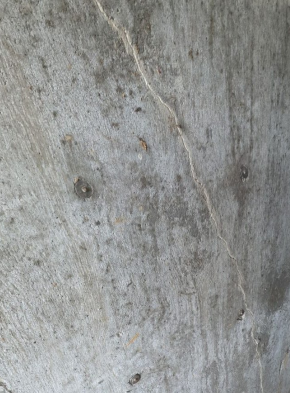
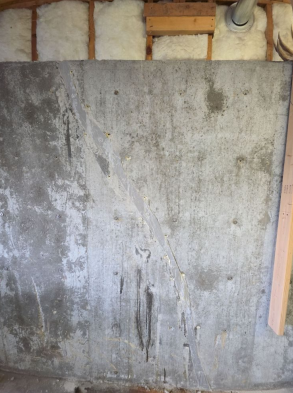
Before & After
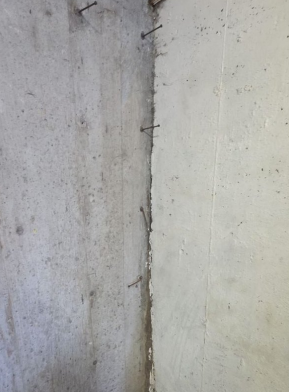
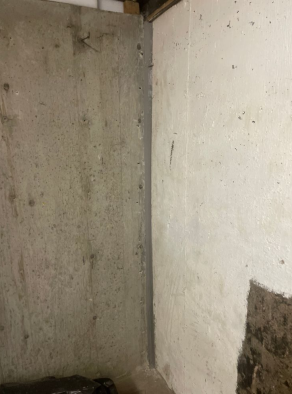
What Homeowners Ask About the Work
These questions focus on how foundation crack repair is performed and what you can expect during and after the process.
What causes old crack patches to fail over time?
Cement and household caulk are rigid materials that cannot flex with the natural movement of a concrete foundation. As the building settles and ground water pressure changes, these patches crack and pull away from the concrete, reopening the path for water to enter.
How does the water-activated sealant fill the entire crack?
The sealant is injected as a liquid through ports set along the crack. When it contacts moisture inside the crack, it expands and forms a dense, flexible plug that fills the entire depth of the crack, not just the surface layer.
Why is the crack wetted before injection?
Wetting the crack activates the sealant as it enters, ensuring it expands immediately and fills all the voids. Without moisture, the sealant would remain liquid and might not bond correctly to the concrete surfaces inside the crack.
What happens to the injection ports after the repair is finished?
The ports are removed once the sealant has cured, and the epoxy paste that holds them is left in place as part of the structural seal on the face of the crack. The surface can then be finished or painted if needed.
How long does an interior crack repair typically last in Missoula?
A properly performed interior crack repair should hold up for many years, as the flexible sealant accommodates normal foundation movement and seasonal ground water pressure. It is not affected by freeze-thaw cycles the way rigid patches are.
Fire & Flood Restoration Company is an IICRC Certified Firm serving Missoula and western Montana. Call us at (406) 602-8855 for a free estimate to review your basement walls and determine which cracks need attention.